
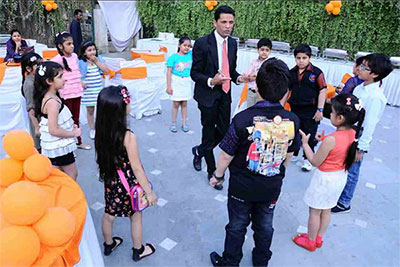
A game coordinator is a pivotal role in organizing and overseeing various aspects of sports, recreational activities, or competitive events. This role ensures that games run smoothly, participants are safe, and rules are upheld, contributing to a positive and enjoyable experience for all involved. Here are key aspects of a game coordinator's responsibilities:
Event Planning: Game coordinators often participate in the planning phase of an event, working with organizers to determine schedules, venues, rules, and equipment requirements.
Rules and Regulations: Coordinators have a deep understanding of the rules and regulations governing the specific sport or activity they are overseeing. They ensure that all participants adhere to these rules and that fair play is maintained.
Participant Registration: Coordinators may be responsible for participant registration, including verifying eligibility, collecting fees, and distributing uniforms or equipment.
Safety Management: Ensuring the safety of participants is a top priority. Coordinators implement safety measures, such as inspecting equipment, monitoring weather conditions, and having first-aid resources on hand.
Scheduling and Timing: They manage game schedules, coordinate match timing, and oversee the flow of events, ensuring that matches or activities start and end on time.
Communication: Coordinators are often the point of contact for participants, coaches, officials, and spectators. Clear communication is essential to convey important information and address inquiries or concerns.
Officiating: In some cases, game coordinators may serve as referees or officials during events, ensuring that games are played fairly and within the rules.
Conflict Resolution: They handle disputes or conflicts that may arise during games or activities, working to find resolutions that maintain fairness and sportsmanship.
Scoring and Records: Game coordinators often keep track of scores, maintain records, and update standings or rankings as applicable.
Feedback and Improvement: After events, coordinators may gather feedback from participants and stakeholders to identify areas for improvement and implement changes for future events.
Adaptability: Game coordinators need to be adaptable and quick-thinking, as unexpected situations can arise during events that require immediate decisions and solutions.
Enthusiasm and Leadership: They set a positive example for participants by demonstrating enthusiasm for the sport or activity and exhibiting leadership qualities.
Game coordinators play a vital role in creating a positive and organized experience for athletes, participants, and spectators. Their attention to detail, knowledge of the sport, and dedication to fairness contribute to the success and enjoyment of sporting events and recreational activities.